Self-Awareness
What a Focus Profile Actually Tells You
NIVORA Editorial · September 30, 2026 · 6 min read
A profile is a pattern map
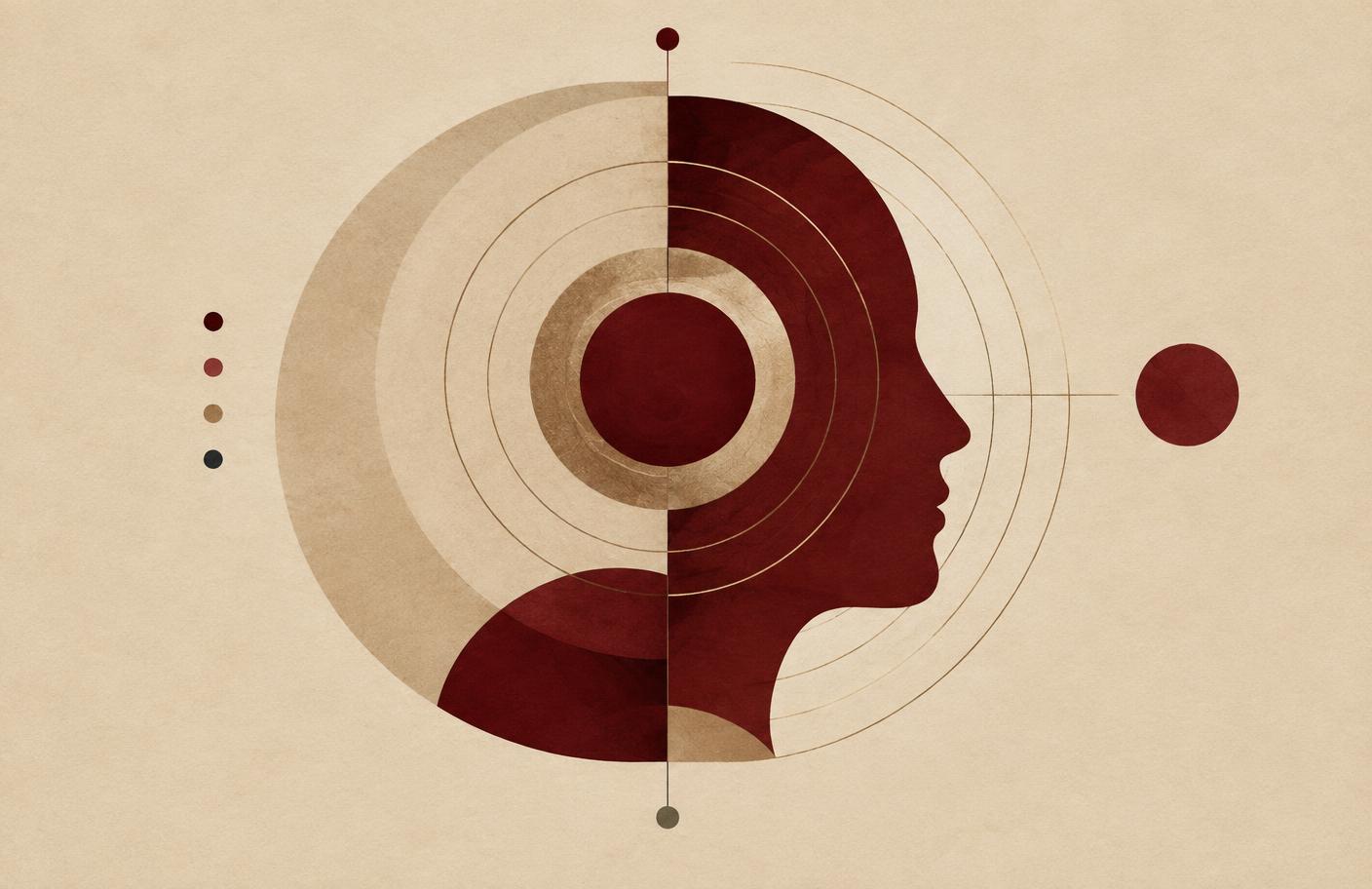
A focus profile does not tell you who you are. It shows how certain attention-related patterns appear in your daily life right now.
That distinction matters. A map is useful because it helps you choose a route, not because it defines the whole person holding it.
The five areas worth separating
Attention is not one single skill. You may feel steady in one area and stretched in another.
- Attention: sustaining and returning to the task at hand.
- Organization: keeping information and environments workable.
- Time management: sensing time and planning realistically.
- Impulsivity: pausing before acting, switching, or responding.
- Task follow-through: closing loops after the first burst of energy fades.
“Self-awareness becomes practical when it points to the kind of support your brain actually needs.”
What the result can change
When you know the specific pattern, you can stop using one tool for every problem. A time issue may need visual clocks. An organization issue may need fewer capture points. A follow-through issue may need clearer re-entry cues.
The goal is not to become a different person. It is to build systems that respect how your attention already works.
Use it as a starting point
Treat your focus profile as a reflective snapshot. It can help you notice patterns, start conversations, and choose habits with more precision.