Understanding ADHD
Why You Forget the Task in the Middle of Doing It
NIVORA Editorial · October 5, 2026 · 6 min read
The mental notepad that drops things
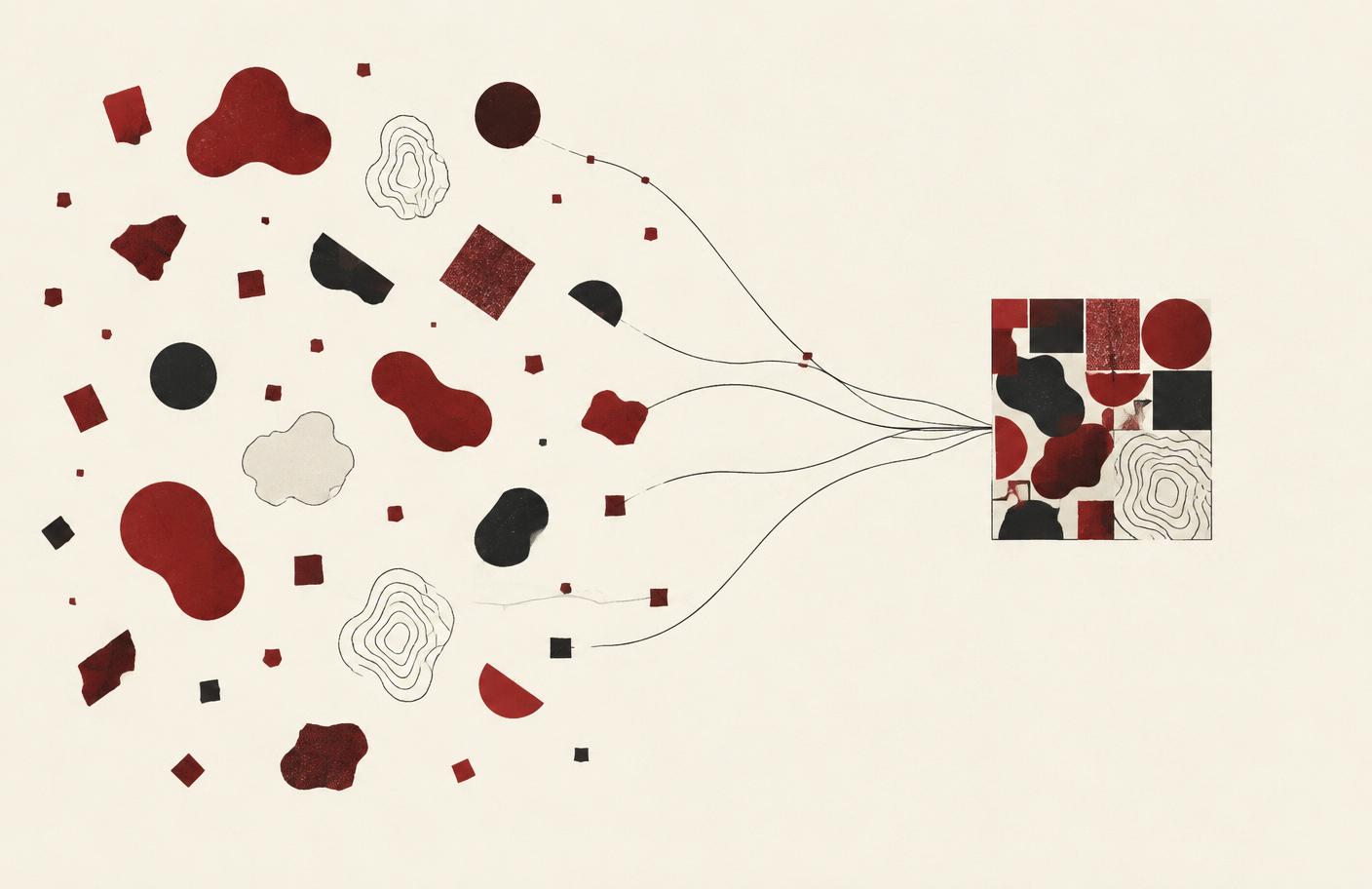
Working memory is the small mental notepad you use to hold information while you act on it: the reason you opened the door, the next point you were about to make, the number you were carrying in your head.
When that notepad fills too quickly or erases itself early, the task does not disappear — it simply slips out of reach, often mid-action.
What it looks like in daily life
Working memory lapses are easy to misread as carelessness. In reality, they follow predictable patterns.
- You stand in a room with no memory of why you entered.
- You lose the thread of a sentence when someone interrupts.
- You reread the same paragraph three times and retain nothing.
- A single question while cooking can erase the recipe step you were holding.
“You did not forget because you did not care. You forgot because the mental notepad ran out of space.”
How to offload instead of pushing harder
The fix is rarely to concentrate harder. It is to carry less in your head. Write the next step where the work happens. Say the goal out loud before you move. Keep one capture point instead of five.
Externalizing a task is not a crutch — it is how working memory was meant to be supported.
When the pattern is worth mapping
Everyone drops thoughts sometimes. If the lapses are frequent enough to cost you time, energy, or confidence, it may be worth understanding which attention dimension is actually stretched.
A structured focus profile can separate working-memory strain from organization, time, or follow-through issues — and each of those calls for different support.