Focus & Productivity
Attention Residue: Why Switching Tasks Costs More Than You Think
NIVORA Editorial · October 2, 2026 · 6 min read
The part of the task that follows you
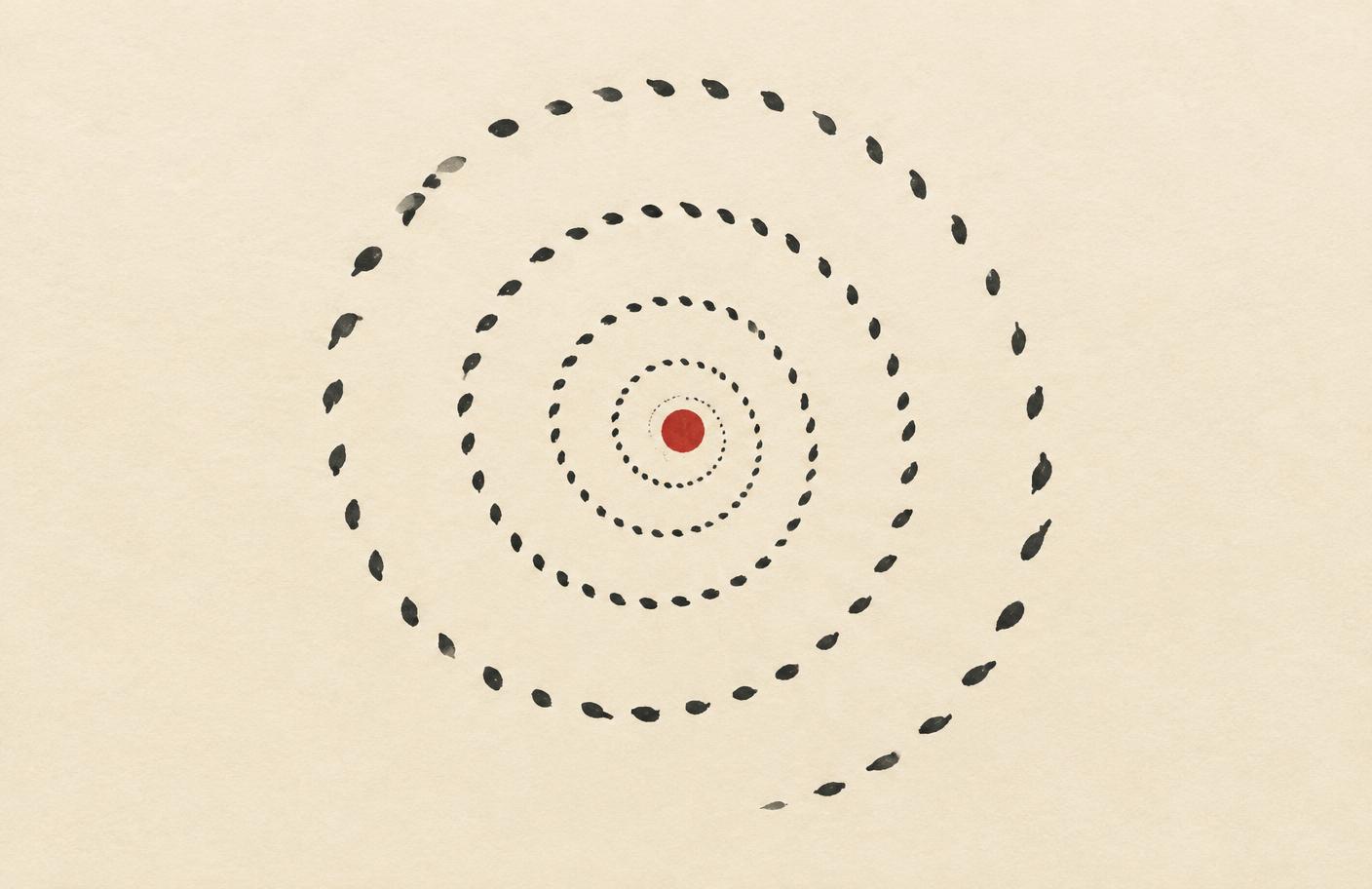
When you leave a task unfinished, your attention does not fully leave with you. A portion stays attached to what was open — researchers call this attention residue.
That is why a 'quick check' of messages is never quick. You pay twice: once for the interruption, and once for the slow re-entry into what you were doing.
Why some brains feel this more
For people whose attention regulation is already stretched, residue accumulates faster. Each open loop — the half-written email, the unsent reply, the tab you meant to read — quietly occupies mental space.
The result is a day that feels scattered even when you were constantly busy. Motion is not the same as completion.
- Too many open loops compete for the same attention.
- Re-entering a task costs more than continuing it.
- Visible reminders of unfinished work keep the loop alive.
“Focus is not only about starting. It is about closing enough loops that your mind can land somewhere.”
Work in closed chapters
Try treating work as a series of small, closed chapters instead of one long open day. Finish a mini-unit, write down where you stopped, and only then switch.
A one-line 'next step' note before you leave a task removes most of the re-entry cost when you return.
A simple experiment
For one afternoon, keep a visible list of everything you opened but did not close. Notice how each open loop feels. Then close just one — and notice the difference.
If this pattern feels familiar, a focus profile can show whether task follow-through or attention is the dimension that needs the most support.