Self-Awareness
The Personality You Describe vs. the One You Live
NIVORA Editorial · October 12, 2026 · 6 min read

Two versions of you
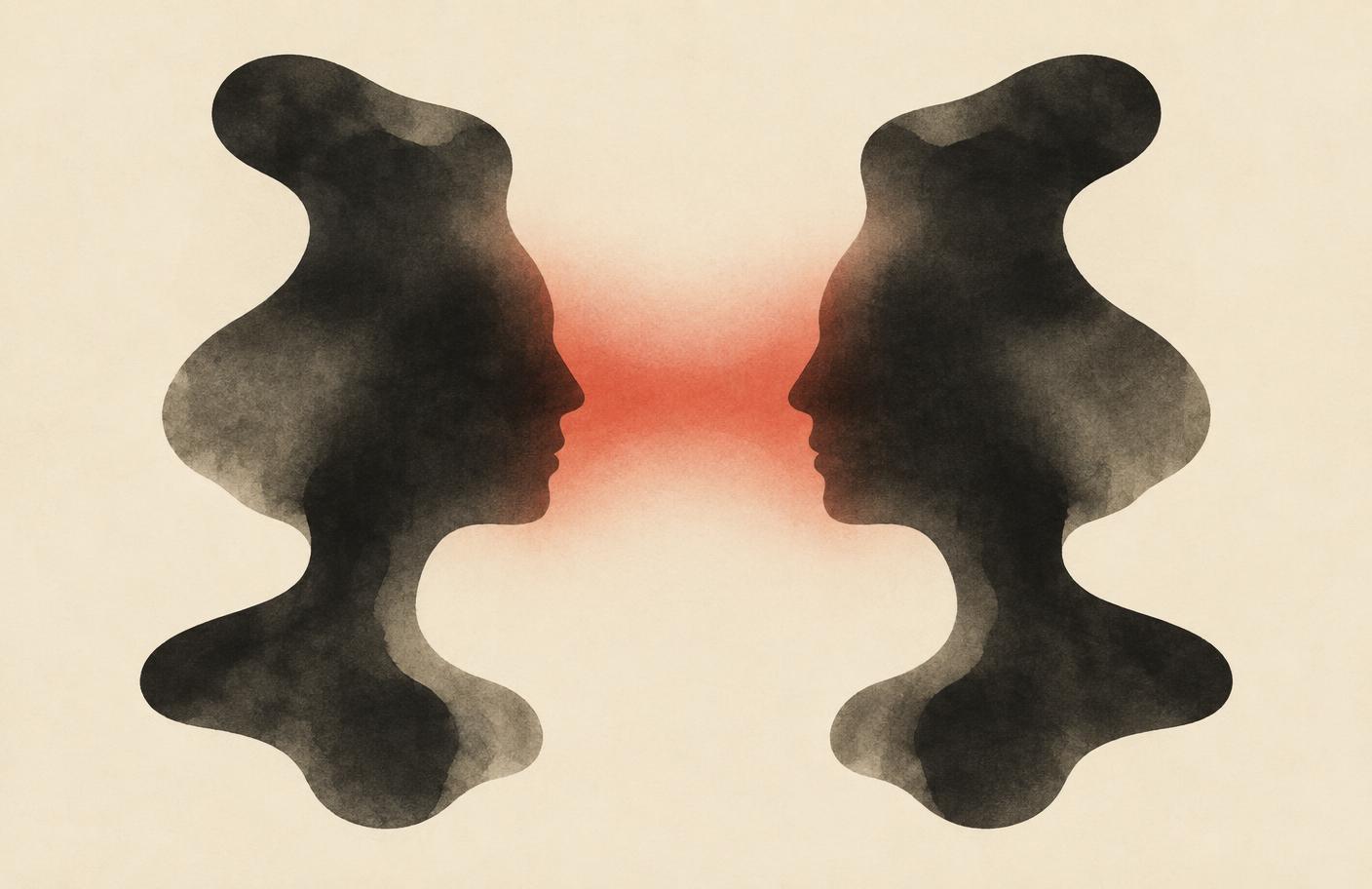
There is the person you describe at dinner parties — your story about yourself. And there is the person who shows up in your actual choices: what you avoid, what you repeat, what you reach for under pressure.
These two versions overlap, but they are never identical. The space between them is not hypocrisy. It is simply the difference between a narrative and a measurement.
Why the story drifts from the data
Self-descriptions are built from memorable moments, not average ones. You remember the time you were brave, not the hundred times you were cautious. You remember the exception because it felt like you.
There is also a quieter bias: we describe who we intend to be. The story is partly an aspiration wearing the costume of a fact.
- Memorable extremes outweigh typical behavior.
- Intentions get counted as traits.
- Feedback from others is filtered through the story first.
“You do not live inside your self-image. You live inside your patterns — and they are not always the same place.”
Why the gap is useful
The distance between described-self and lived-self is not embarrassing — it is diagnostic. Where the two diverge, you usually find either a blind spot or a quiet strength you have never claimed.
People who score themselves low on a trait they actually express often undersell real capabilities. People who overestimate a trait often meet their growth edge exactly there.
Measuring instead of narrating
This is the case for structured assessment over self-story. A well-built profile asks about behavior across many situations, then shows you the pattern you actually live — dimension by dimension.
The result is not a verdict. It is a mirror with better lighting: a way to see where your story and your data agree, and where they have quietly parted ways.